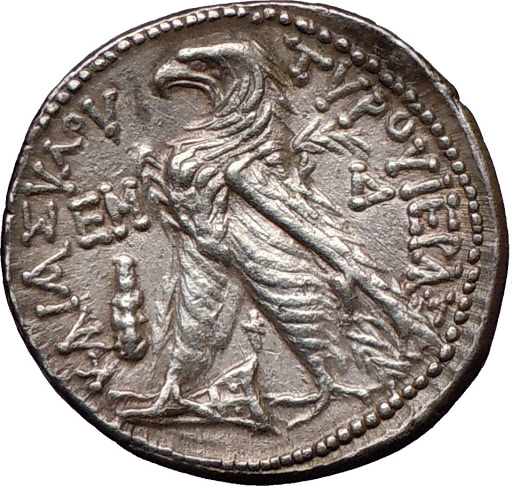
Picture a legionary soldier from a Roman cohort marching along Blackstone Edge high up in the Pennies of Yorkshire, England, dropping a Judean Shekel coin from 66 CE. After laying down to eat and rest by a stream, filling up his water flask, out from a hole in his purse falls this single shekel, only to be discovered two millennia later by a hiker crossing a steam and dislodging a piece of stray rock. There’s nothing like a bit of romantic conjecture to speculate on firing up a scenario. What we do know is that Roman legions were marching through, monitoring this area during the initial incursions into the north of Britannia after 71 CE, once the strategic pivot of the River Don had been breached at Danum, modern Doncaster.
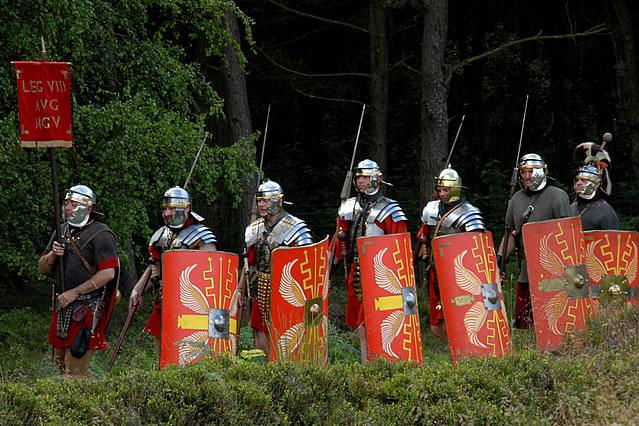
Also of strategic importance, the first fort at Ilkley was founded by Agricola around 80 AD. Before this the River Don was a key boundary, the passage to the North lay over the other side of its banks. The route from the North Derbyshire hills was opened up sometime in the latter half of the first century CE, possibly by the the militaristic governor Gnaeus Julius Agricola during the late seventies, although the first section of the road to Danum, had probably been in existence since the early fifties.

The highly important fort at Danum is believed to have first been constructed circa CE 70, meaning it took the Roman occupiers of the lands of the relatively civilised peaceful Coritani Tribe of the areas around Derbyshire – Leicestershire, Nottinghamshire, Lincolnshire and part of South Yorkshire a good decade or so to cross the mighty Don River and make inroads into the Brigantian strongholds of what would eventually become the Kingdom of Elmet and Leodis, now Leeds, with Ilkley’s fort (either Ollenacum, Oilcana or Verbia) being constructed in about 80 CE. Or so the archaeological and scientific evidence points out.
Romanised is so far unaware of any texts from the 1st century CE which details the conquest of Prydain, as Britain was once called when it was a Celtic Confederacy, before and again after the Roman Conquest in the brief interlude before the Saxon / Germanic and Danish incursions began from the East in around 429 CE. Years before this In 383 CE, the usurper Magnus Maximus withdrew troops from northern and western Britain, probably leaving local warlords in charge. Around 410, the Romano-British expelled the magistrates of the usurper Constantine III to protect the island.
But what of the Judean Legions or lone Jewish soldiers serving in the provinces? There are recorded lists of which ‘Legio’ did serve where, such as the Bereuchi of Yugoslavia who served in this area, who could easily have had Judean Conscripts exiled to the Balkans among their ranks.
 GET ROMANISED
Leave a comment